In short:
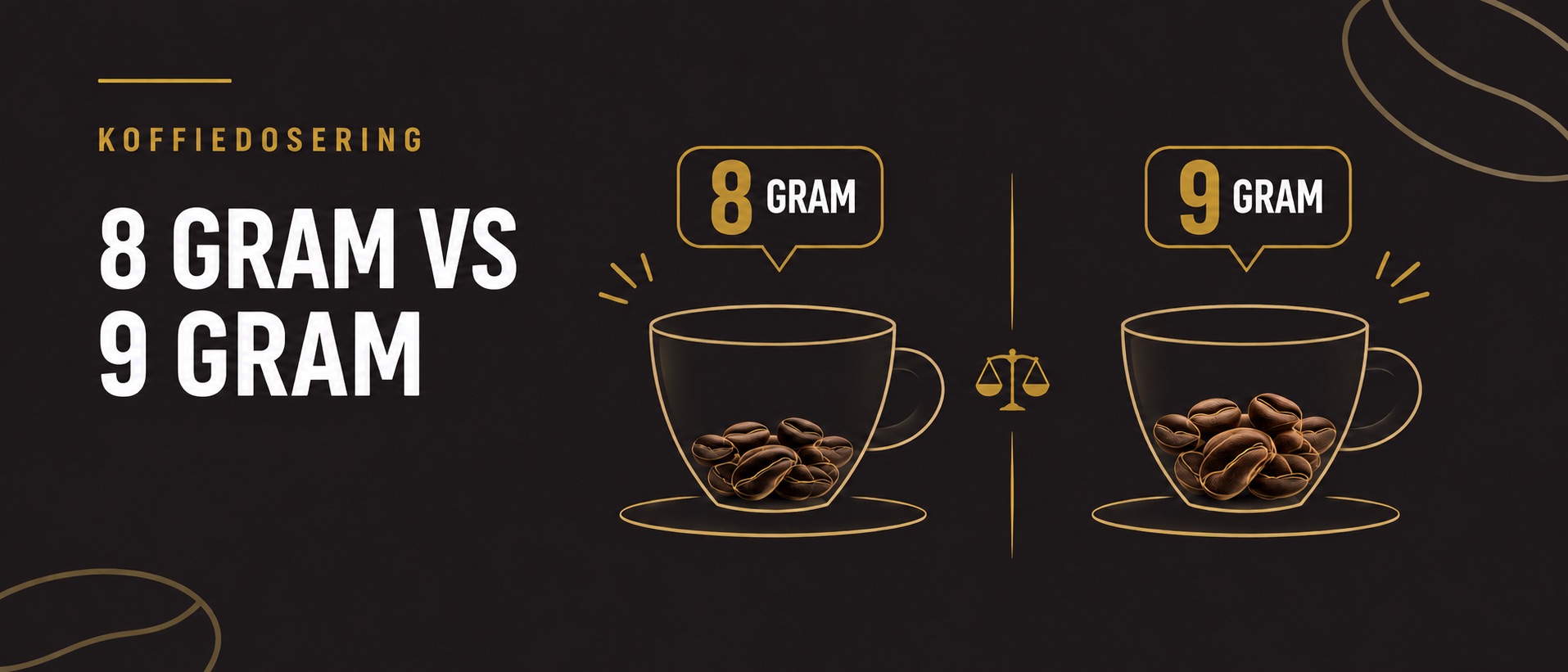
A coffee machine typically uses 8 grams of beans per cup. After adjusting the settings, that amount increases to 9 grams or even more. That’s only a one-gram difference, but it represents a 12.5% increase in beans per cup.
The right machine settings determine the flavor
Using more coffee doesn't automatically mean it will taste better. A good cup of coffee results from the right balance between the amount of coffee, the grind size, the water temperature, and the brew time.
If you increase only the amount of coffee, this balance can be disrupted. As a result, the coffee may taste too strong, too acidic, or, conversely, too bland. Furthermore, using more coffee beans does not necessarily lead to a better coffee experience.
That’s why, when calibrating a coffee machine, we look at the entire brewing process. The goal isn’t to use as much coffee as possible per cup, but to achieve a delicious and consistent flavor with the right amount.

Who pays for the additional usage?
With traditional coffee suppliers, coffee beans are billed separately. When a machine’s serving size increases from 8 to 9 grams, bean consumption rises by 12.5%. The customer may not notice this immediately when using the machine, but will eventually see it on the bill.
Under CoffeeClick’s all-inclusive concept, the cost of the coffee beans is included in the pre-agreed price per cup. As a result, the financial risk associated with additional consumption does not fall on the customer. In fact, it is in CoffeeClick’s best interest to ensure that every machine is properly calibrated and does not use more coffee than necessary.
This results in a more transparent model. The customer knows in advance how much a cup of coffee costs, while we are responsible for striking the right balance between taste, quality, and consumption.

Inventory that matches actual usage
It's not just coffee beans that determine the cost of office coffee. Milk powder, cocoa, sugar, cleaning supplies, and water filters are also part of the overall coffee supply.
When more products are delivered on a regular basis than an organization uses, the warehouse becomes unnecessarily full. This results in tied-up budget, products sitting on the shelves longer, and a greater risk of quality loss or waste.
That is why it is important for deliveries to match actual consumption. For example, an organization where black coffee is the main beverage will need a different inventory than a location where cappuccino and hot chocolate are popular.
By regularly reviewing consumption, deliveries can be adjusted accordingly. This keeps inventory organized, ensures ingredients are as fresh as possible, and guarantees that only the products that are actually needed are delivered.
Inspections and maintenance ensure consistent quality
A coffee machine's settings don't always stay optimal on their own. Heavy use, wear and tear, and changes in the coffee beans can affect the grind, dosage, and brewing time.
That is why CoffeeClick inspects the machines every quarter. During this preventive maintenance, we do more than just check the machine’s technical condition; we also recalibrate it as needed. This ensures that the flavor, dosage, and performance remain as consistent as possible.
Corrective maintenance and necessary repairs are also included in CoffeeClick’s all-inclusive coffee subscription. This means there are no separate invoices for service calls, labor, or parts, unless the damage was caused intentionally.
Regular inspections prevent unnecessary energy consumption, reduce the risk of malfunctions, and extend the coffee machine’s lifespan. In this way, proper maintenance helps keep costs under control and ensures a delicious cup of coffee.
Do you know how much coffee and related products your organization actually consumes? Let CoffeeClick take a look at your current coffee program—with no obligation.
Fewer coffee beans also mean fewer CO2 emissions
A difference of one gram of coffee per cup may seem small. However, using 9 grams instead of 8 grams means that 12.5% more coffee beans are needed for the same number of cups. At a company where hundreds of cups of coffee are consumed every day, this difference quickly adds up.
The production of coffee beans involves the use of raw materials and generates CO₂ emissions. This includes the cultivation, processing, and transportation of the coffee. When a coffee machine uses an unnecessary amount of beans, the environmental impact of the coffee supply also increases.
A lower dosage is therefore not only a cost-saving measure, but can also contribute to a more sustainable coffee supply. However, this is contingent on maintaining good flavor and quality. The goal is not to use as little coffee as possible, but to brew a delicious cup of coffee using the right amount of beans.
By carefully calibrating and regularly checking coffee machines, CoffeeClick helps prevent unnecessary bean consumption and waste.