In brief
Starting in 2027, Dutch offices will be required to use only reusable cups for on-site consumption. In 2026, a transition period will apply with strict conditions for those who have registered with the ILT in a timely manner. Those who take proactive steps now will avoid enforcement issues and achieve long-term savings.
- Paper coffee cups are subject to SUP regulations because of their plastic coating
- Separate collection of at least 85% is mandatory during the transition period
- A reusable PP cup is more sustainable than a disposable one after just five uses
- Return rates for well-designed deposit-refund systems exceed 90%
What the SUP legislation will specifically require of firms in 2026
The paper coffee cup contains a layer of plastic and is therefore subject to the SUP legislation (the European Single-Use Plastics Directive, aimed at reducing single-use plastics). As of January 2024, single-use plastic coffee cups are banned in commercial settings for on-site consumption.
Businesses that have registered with the ILT (Inspectorate for the Environment and Transport, the environmental regulatory authority) by December 12, 2025, will still be permitted to use disposable paper cups in 2026 under strict conditions: a minimum of 85% separate collection for recycling, complete and accurate records, and full recyclability. The ILT will implement phased enforcement in 2026. This means that inspectors will first issue warnings and grant a grace period, but repeated violations will result in fines.
Starting in 2027, the exemption will expire and reuse will become the norm. The broader context: the SUP Directive is part of the European initiative to reduce plastic use in offices and other locations, aimed at cutting down on the 900 million disposable cups produced annually in the Netherlands.

A comparison of three approaches: reusable, deposit-refund, and biocomposite
Reusable cups (porcelain, glass, or hard PP)
Porcelain or glass is suitable for offices with a pantry and a dishwasher. Hard PP cups (polypropylene, a sturdy and heat-resistant type of plastic) are a good alternative if breakage is a concern. A reusable PP cup is more sustainable than a disposable one after just five uses. Schedule sufficient dishwashing times or hire a professional cleaning service. This approach directly complies with the reusable coffee cup legislation that takes effect in 2027.
Deposit system with returnable cups
A deposit system works well in larger office locations with multiple coffee stations. Employees pay a small deposit per cup and return it to a drop-off point. With well-designed systems, return rates exceed 90%. Place return boxes along logical walking routes, near elevators, and at the exit. Expect a loss rate of five to ten percent per year. Various suppliers offer full-service concepts, including cleaning and restocking.
Biocomposite or plastic-free disposable cup
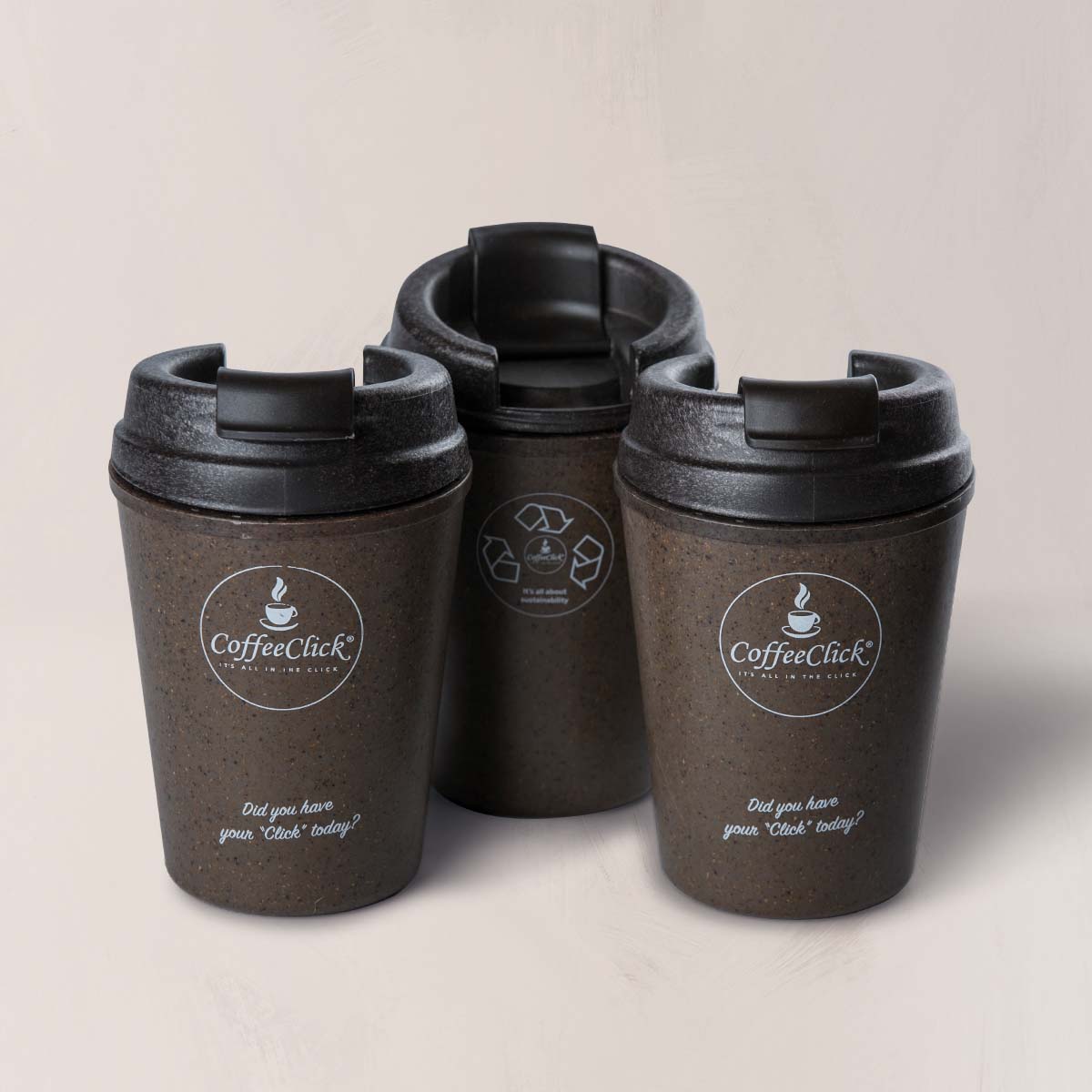
Cups made of bamboo, palm leaves, or cardboard without a plastic coating seem like a quick fix. Bioplastics such as PLA (polylactide, a plant-based bioplastic) and CPLA are still legally covered by the SUP Directive. Only cups made entirely without plastic (pure cardboard or wood fiber) are exempt from the ban, but they are less heat-resistant. This may work as a stopgap measure in 2026, but it is not a long-term solution looking ahead to 2027.
How law firms are making the switch in practice
A healthcare organization with multiple locations switched from using 12,000 disposable cups per month to a fully reusable system. The transition began with a pilot on a single floor, followed by a phased rollout. Provide employees with clear information in advance about the rationale, the process, and the timeline. A brief kick-off meeting for each department and clear signage at return points immediately boost the return rate.
Coordinate the transition with your coffee supplier or facilities management provider. Many coffee contracts still include a cup component. Ask specifically whether the contract allows for reusable cups and whether the machine is compatible with reusable cups.
The SUP Directive for office coffee cups in 2026 is no longer a distant concern. Those who introduce reusable coffee cups in their offices now, in compliance with the law, will avoid issues with ILT enforcement in 2027 and achieve long-term savings on waste disposal. Start with a pilot program, choose the approach that suits your office, and finalize the contractual details before the end of this year.

Frequently Asked Questions About the SUP Directive
What will the SUP Directive require for office coffee cups in 2026?
A transition period will be in effect in 2026. Establishments that have registered with the ILT by December 12, 2025, may continue to use disposable cups provided they recycle at least 85% of them. Starting in 2027, reusable cups will be the only permitted option.
Does a biocomposite cup fall under the SUP Directive?
Yes. Bioplastics such as PLA are covered by the SUP legislation. Only cups made entirely without plastic (pure cardboard or wood fiber) are exempt from the ban. They remain disposable and do not represent a long-term solution leading up to 2027.
How do I coordinate the switch while I still have an active coffee contract?
Ask your coffee supplier whether the contract allows for reusable cups and whether the machine can operate without disposable cups. Make sure to explicitly include the cup provision in the contract negotiations so that you aren’t locked into a disposable cup requirement.
When will the ILT begin enforcing regulations on disposable cups?
In 2026, the ILT will implement a phased enforcement approach: inspectors will first issue warnings and grant a grace period. Repeated violations will result in fines. Starting in 2027, the transitional arrangement will be fully phased out, and reuse will become the legal standard.

Want to make the best coffee at work?
Discover our commercial coffee machines with an all-inclusive subscription, or schedule a no-obligation trial appointment at our showroom.