In brief
Coffee in showrooms or stores has become a strategic sales tool. Longer visit durations, increased trust, and a lower barrier to conversation result in measurably higher conversion rates for retailers, car dealerships, and real estate agents.
- Every additional percentage point in length of stay generates an average of 1.3% more revenue (PathIntelligence).
- A cup of coffee keeps visitors around for an average of five to ten minutes longer.
- The principle of reciprocity and holding a warm drink in your hands help build trust and goodwill.
- The effect is greatest for products with a high average order value.
Sectors where coffee is most effective as a sales tool
Coffee as a hospitality tool (the strategic use of hospitality to strengthen customer relationships) is most effective in sectors where purchasing decisions take time and trust between the customer and the seller is crucial.
Car showrooms are the best-known example. Visitors stay for half an hour to an hour, and a cup of coffee makes them more likely to stick around and discuss options or financing. Dealers who design their coffee corner as an extension of the brand experience find that customers see it as a reflection of the business. A mid-range car dealership reported that, after introducing specialty coffee, visitors stayed an average of twelve minutes longer and were more likely to book a test drive on the same day.
Premium retail follows the same principle. Kitchen showrooms, bathroom retailers, and interior design stores with a high average order value use coffee as a conversation starter and as a signal: “Take your time; we take you seriously.”
Real estate is another industry where the same dynamics apply. A real estate agency that routinely offers coffee during viewings found that potential buyers stayed longer and asked more specific questions about the property. Those extra minutes translate into a better customer experience and a higher likelihood of an offer.
The mechanism: length of stay, likeability factor, and conversation starter
Three psychological mechanisms explain why coffee works so well in a retail setting.
Longer dwell time. Retail research by PathIntelligence, a British company specializing in measuring visitor behavior in physical stores, shows that every additional percentage point of dwell time results in an average 1.3% increase in sales. Coffee is one of the easiest ways to extend that time.
The principle of reciprocity. When someone receives something, they feel compelled to return the favor. A free cup of coffee triggers that feeling. Subconsciously, the customer is more inclined to listen to your offer. That warm welcome serves as a gentle conversation starter that requires less effort on the part of salespeople.
Warmth and trust. Research at Yale University showed that people who hold a warm drink perceive others as more trustworthy. In a sales conversation, that’s a subtle but real advantage.
Conversion impact relative to the investment
Weigh the modest cost of coffee against its potential impact. If coffee extends the average visit duration by five to ten minutes and boosts conversion rates by a few percentage points, the investment will quickly pay for itself when order values are high.

How do you measure the impact?
Measuring is the step that most retailers skip. Yet it’s not difficult to quantify the impact on conversion.
Track the length of stay. Use your visitor registration system or Wi-Fi tracking to measure the average length of stay in the showroom. Compare periods with and without an active coffee service.
Track your conversion rate. Keep track of how many visitors request a quote or make a purchase. Break this down into periods with and without the coffee offer. Make sure you have at least three months of data before drawing any conclusions.
Meaningful feedback. Have salespeople briefly note after each meeting whether the customer accepted coffee and how the meeting went. After a month, you’ll start to see patterns.
Calculate the cost per conversion. Divide your monthly coffee expenses by the number of additional conversions. This will give you a cost per acquisition (the cost per new customer) that you can compare with other marketing expenses.
The right level of hospitality for your price range
Not every showroom needs a barista. Tailor the quality of your coffee to the value of your product and your customers’ expectations.
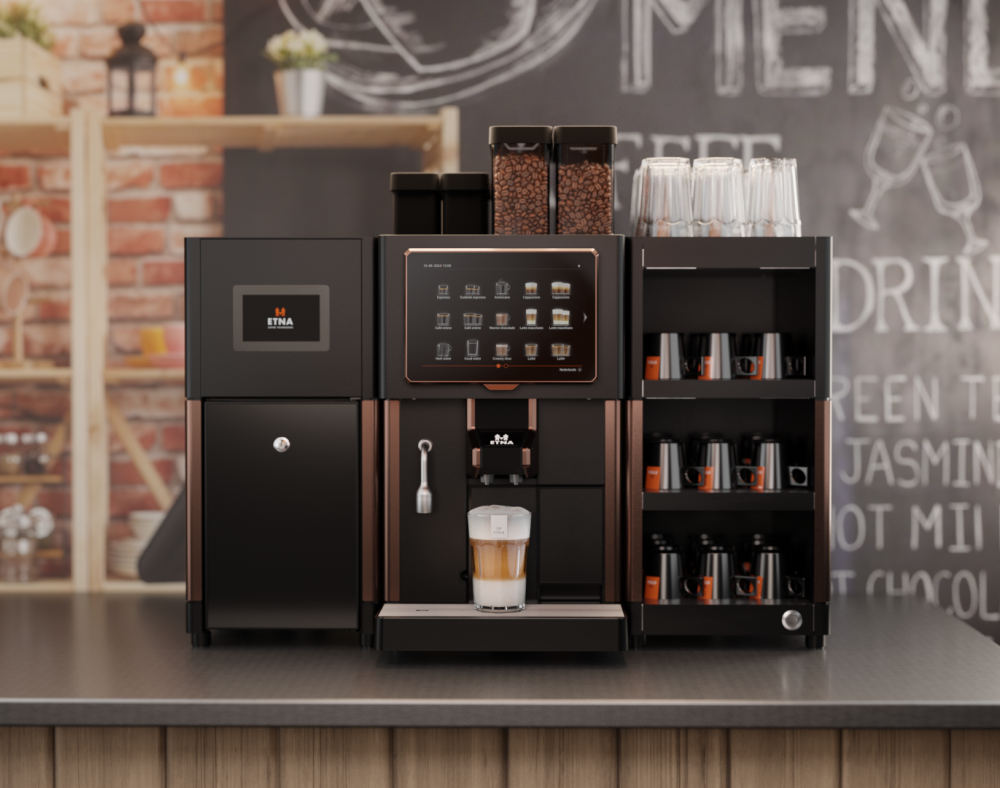
In a typical retail setting, a fully automatic machine that uses fresh beans and has an attractive display is sufficient. Make sure the coffee corner is clean and inviting.
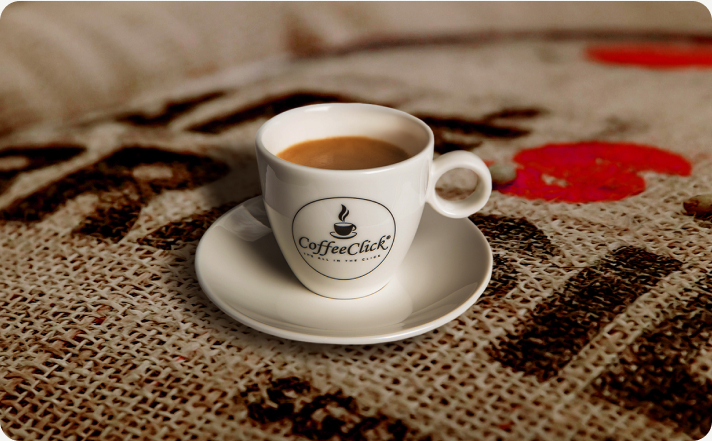
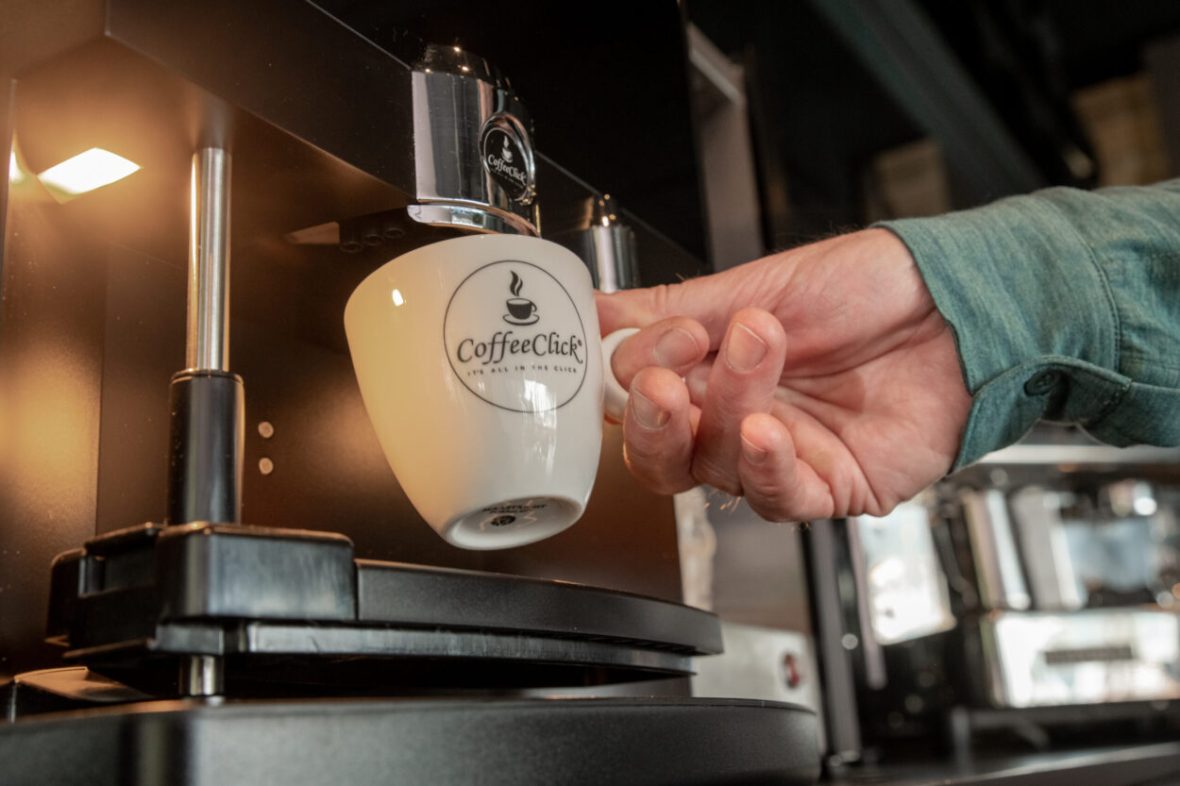
Specialty coffee served in plain view is a perfect fit for premium retail or high-end car showrooms. Serve it in cups featuring your logo and choose a blend that aligns with your brand. Customer expectations regarding hospitality in retail are higher than they were a few years ago: visitors subconsciously compare your showroom to the local café or restaurant. If you don’t keep up with these expectations, you’ll stand out—in a negative way.
Coffee in the showroom works best when the quality of the coffee aligns with the overall customer experience. A mismatch between the product and the coffee undermines the effect. Make a conscious choice, measure the results, and adjust as needed.
Frequently Asked Questions
Is there evidence that coffee works as a sales tool in retail?
Yes. Coffee increases dwell time, encourages reciprocity, and lowers the barrier to conversation. Retail research shows that longer dwell times are directly linked to higher sales. The effect is greatest for products with a high order value.
How significant is the impact on the length of time spent in a showroom?
Exact figures vary by situation, but on average, a cup of coffee keeps visitors in the store for five to ten minutes longer. According to PathIntelligence, every additional percentage point in dwell time generates an average of 1.3% more revenue.
What kind of coffee is best suited for premium retail?
Choose coffee that matches your product’s price range. Premium retail calls for specialty coffee made from fresh beans, preferably with a visible brewing process. A drip coffee maker in a luxury showroom undermines your brand experience. For example, Buscaglione coffee.
How do you measure the impact of coffee on conversion rates in retail?
Track dwell time and conversion rates during periods with and without coffee service. Have sales staff note whether customers accepted coffee. Divide your monthly coffee costs by the number of additional conversions to calculate a clear cost-per-acquisition.

Want to make the best coffee at work?
Discover our commercial coffee machines with an all-inclusive subscription, or schedule a no-obligation trial appointment at our showroom.