In brief
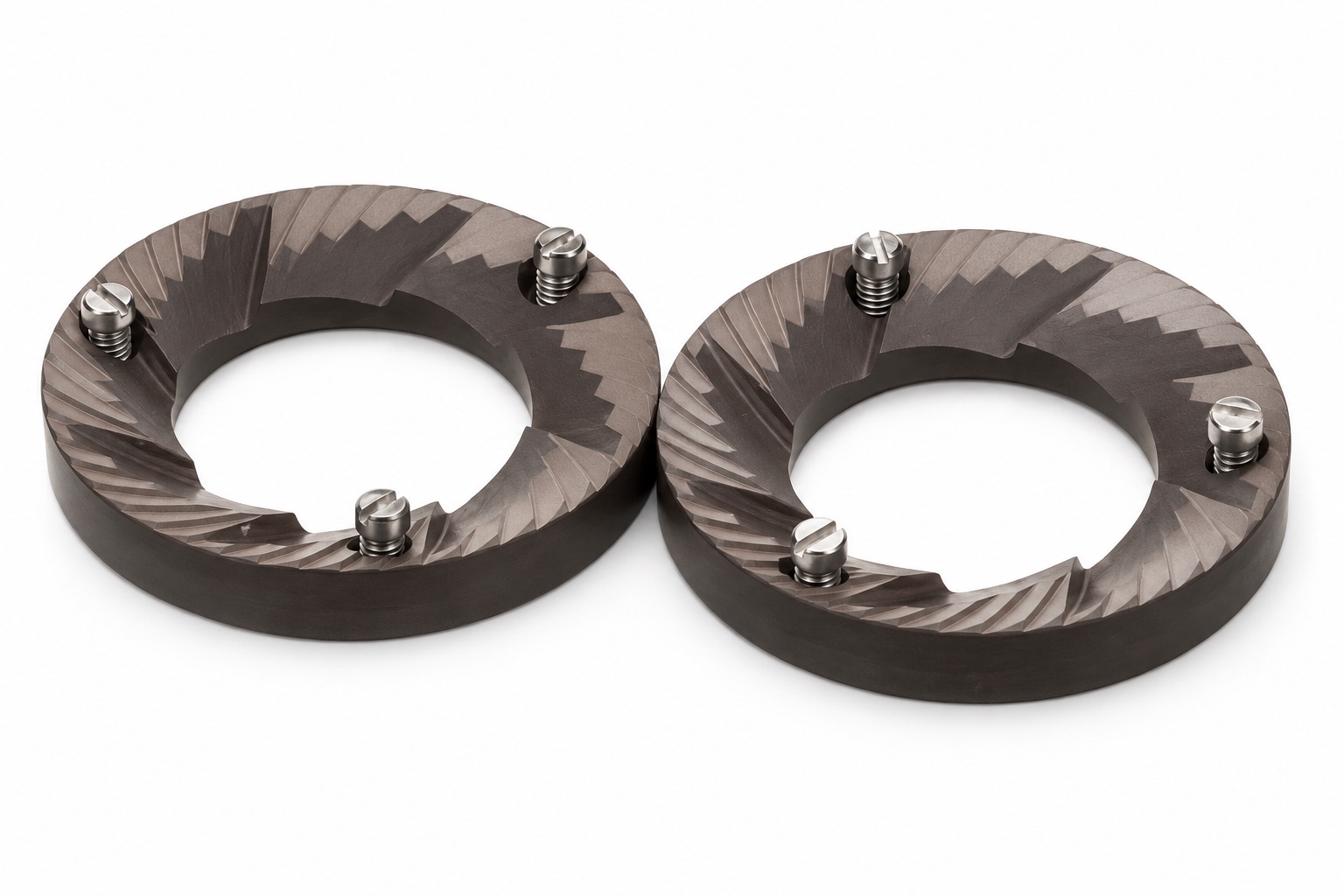
When it comes to office coffee machines with burr grinders, ceramic isn’t necessarily better than steel. Choose based on how many cups the machine brews per day and what you notice in terms of taste and noise. A ceramic burr may be suitable, but the material alone doesn’t tell you how long it will last. This article will help you evaluate suppliers’ claims based on your specific usage.
Compare ceramic and steel within the same machine model. When the machine is in heavy use, pay attention to consistent grinding performance, noise levels in the workplace, and replacement costs. If you don’t notice any change, replacement isn’t necessary.
Compare ceramics and steel within the same machine
First, ask which coffee machine’s grinding disc you’re comparing. The design of the grinding mechanism and the grind setting are important factors; comparing based solely on material won’t give you an accurate answer. Therefore, ask the supplier for specifications for the specific machine, not just the general advantages of ceramic or steel.
Do you use your machine all day long? If so, evaluate the sounds it makes while grinding and the taste of coffee brewed at different times. That tells you more about your office than a single claim about the beans.

Estimate the lifespan based on your usage
If you’re considering both a ceramic grinding disc and a steel version, ask the supplier how they substantiate the service life for your machine. Without that substantiation, “wear-resistant” is just a claim—not a prediction for your office. The material alone does not provide a reliable estimate of the number of years or cups it will last.
Pay attention to any changes in grind and flavor before considering a replacement. If there are no such changes, the number of cups brewed alone is not a reason to replace a disc. When brewing many cups a day, what the machine actually shows matters—not just what’s said about the material.
Listen to the entire piece
Compare the noise levels of the entire machine, not just those of the grinding disc. A supplier may describe a particular model as quieter, but without comparing devices under the same operating conditions, you won’t know what the noise level will be in your office.
Is the machine located near workstations? If so, listen to it while it’s grinding, especially when your coworkers are working. If you drink several cups a day, you’ll notice the recurring noise sooner than if you only have one cup of coffee.
Verify heat claims on the machine
Ask what a supplier means when they say that a grinding disc “doesn’t get hot.” Without information about the appliance and how it’s used, you can’t conclude that this offers any taste advantage. This applies to both ceramic and steel.
Are you comparing machines for an office where coffee is brewed in quick succession? If so, ask how the grinder performs under those conditions. When you’re making many cups a day, a well-founded comparison is more useful than a promise that a particular material will stay cool.
Taste it at different times of the day
Check the consistency of the flavor by comparing cups made during quiet and busy times. If the same coffee tastes different later on, also check whether the grind setting (how finely the machine grinds the beans) has remained the same. One cup that tastes different does not necessarily mean that the grinding disc needs to be replaced.
Consider an office where coworkers go to get coffee one after another. Compare a cup before the rush with one after, using the same coffee and settings. This way, you can test how many cups a day make a difference: does the taste remain recognizable, regardless of the material of the disc?
Consider more than just the price of a new drive
When inquiring about replacement costs, ask for the price of the part, the labor involved, and how long the machine will be out of service. Waiting until a blade stops grinding may mean you miss an earlier change in flavor. Conversely, a machine that’s still working doesn’t need to have a new blade installed as a precaution.
If you drink several cups a day, the replacement schedule is also a factor. Discuss any changes in grind or flavor with a coffee specialist before making a decision; have them verify the lifespan and heat-related claims for your machine as well.
Don't choose the best coffee machine burr based solely on whether it's made of ceramic or steel. Compare how the entire machine performs based on your office's volume, and only replace a burr when there's a specific reason to do so.
Frequently Asked Questions About Coffee Machine Grinding Discs
Which is better: ceramic or steel?
A ceramic grinding disc isn’t automatically better than a steel one. Compare the machines as a whole based on the number of cups your office makes. Ask for substantiated information about lifespan and pay attention to the noise level. Also, taste coffee at different times of the day. That way, you’ll make a choice based on usage, not on the material.
How long does a grinding disc last?
Without information about the specific machine and how it’s used, it’s impossible to provide a reliable estimate of the number of years or cups it will last. Ask the supplier what the service life claim is based on. If the grind or taste changes, have the disc inspected. If the coffee still meets your expectations, the number of cups alone isn’t a sign that it needs to be replaced.
Does the grinding disc affect the taste?
The grinding disc is part of the grinding mechanism and can therefore influence how evenly the machine grinds. You cannot infer any flavor advantage based solely on the difference between ceramic and steel. Compare cups of the same coffee with the same grind size at different times of the day. Discuss any recurring changes in flavor with a specialist.

Want to make the best coffee at work?
Discover our commercial coffee machines with an all-inclusive subscription, or schedule a no-obligation trial appointment at our showroom.