
In brief
Coffee machines in healthcare facilities are subject to HACCP guidelines and will be subject to increased scrutiny in 2026 due to revised SRI modules and new ZKN standards. Cleaning schedules should be linked to shift changes and hygiene zones, not just to fixed times.
- Surface areas such as buttons and drip pans are critical HACCP control points that must be disinfected several times a day.
- The busiest times are during the morning shift change (around 7:00 a.m.) and the afternoon shift change (around 3:00 p.m.), when ten to twenty employees are using the same machine at the same time.
- In wards with an increased risk of infection, it is recommended to have a separate vending machine for healthcare workers.
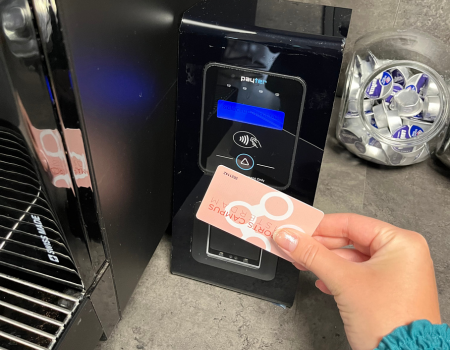
- Contactless operation via sensor technology and app-controlled selection reduces the number of physical touches.
Coffee, healthcare, hygiene, and peak times are more closely intertwined than most facility managers realize. During every shift change, nightly rounds, or visitor hours, coffee machines are running at full capacity, while the SRI (Partnership for Infection Prevention Guidelines) and the ZKN quality mark (Independent Clinics Netherlands) are tightening infection prevention requirements. Here you can read about the hygiene protocols that will apply to coffee facilities in healthcare institutions in 2026, how shift staffing affects usage, and what that means for the layout of the workplace.
Or would you like to learn more first about coffee in the healthcare sector and how our all-inclusive coffee subscription fits into that context?
Hygiene protocols for coffee service in healthcare settings
Healthcare facilities use HACCP (Hazard Analysis and Critical Control Points, the food safety system that identifies risks at each control point) as the basis for food safety. This system requires a risk analysis for every point where beverages come into contact with users. For coffee machines, this means that buttons, levers, and drip trays are critical control points that must be documented in a site-specific plan.
High-touch surfaces should be disinfected several times a day. Use color-coded materials for each hygiene zone to prevent cross-contamination. Document each cleaning session, as you will need to demonstrate during an audit that the protocol was followed.
The SRI guidelines (which replaced the WIP guidelines) set requirements for hand hygiene and isolation measures that indirectly affect shared facilities. Additional precautions apply in wards where contact isolation is in effect. A vending machine located within such a zone requires more frequent cleaning and separate documentation in the HACCP logbook.

Fluctuating occupancy and quiet periods: when is the vending machine under pressure?
The busiest times for coffee machines do not coincide with the busiest care shifts, but with the transitions between them. During the morning shift change (around 7:00 a.m.) and the afternoon shift change (around 3:00 p.m.), ten to twenty employees gather around the same machine at the same time. This creates two problems: wait times and a spike in contact within a short time window. As a rule of thumb, schedule a cleaning immediately after each shift change, and post a sign near the machine reminding employees to practice hand hygiene before use. This way, you can incorporate these “quiet peaks” in healthcare into your cleaning schedule.
Night shift staff use the machine throughout the facility, often in a ward where patients and visitors share the same machine during the day. Therefore, schedule cleaning not only at set times, but also before the start of the day shift.
Visiting hours create a third peak period. Family members and loved ones use the machines without being aware of the hygiene rules that staff take for granted. Place disinfectant wipes or a hand sanitizer dispenser right next to the machine and make the instructions clearly visible.
Separation of flows: cafeteria versus department
A common question is whether staff, patients, and visitors are allowed to use the same dispenser. Complete separation is not always required, but it is recommended in wards with an increased risk of infection. A useful rule of thumb: align the cleaning protocol with the hygiene zone in which the dispenser is located. In a red zone (high risk), use a separate dispenser for healthcare workers. In a green zone (public lobby, waiting room), a shared machine with increased cleaning frequency is sufficient. This prevents disputes regarding the separation between healthcare workers, patients, and visitors.
Vending machines in nursing wards should preferably be reserved for staff and ambulatory patients. Vending machines for visitors should be placed in a central lobby, outside the immediate care area.
Infection prevention requirements in 2026: what will change?
The SRI continuously publishes updated guidelines. By 2026, guidelines regarding isolation, hand hygiene, and personal hygiene will have been tightened for long-term and specialized medical care. These stricter requirements raise expectations that shared facilities will also meet higher standards. Practical experience shows that stricter zoning around shared equipment directly contributes to reducing cross-contamination, which brings infection prevention around the coffee machine in healthcare out of the blind spot.
The market is responding to this with contactless service. Vending machines equipped with sensor technology and app-based selection reduce physical contact. For healthcare facilities, this offers a concrete way to reduce contact points. The ZKN quality mark introduced new standards effective January 1, 2026, including the requirement that clinics create conditions for appropriate care. Facility services are thus becoming a more integral part of the quality management system. As a result, coffee service in a hospital in 2026 will no longer be a minor issue.
Frequently Asked Questions
What hygiene requirements apply to coffee machines in healthcare facilities?
Coffee machines are subject to HACCP guidelines. Contact points such as buttons and drip trays are critical control points. They must be cleaned several times a day using approved disinfectants. Record each cleaning session in a logbook for audit purposes.
How do you organize coffee service during shift changes and night shifts?
Schedule cleaning sessions immediately after the morning and evening handoffs, when the number of contacts is highest. Designate one person per shift to perform and document the cleaning. For the night shift, cleaning before and after the shift is sufficient.
Can a patient or visitor kiosk be the same as the one used by staff?
That is not prohibited, but in wards with an increased risk of infection, it is advisable to keep visitors and staff separate. It is best to place visitor check-in kiosks in a central waiting area. Kiosks in patient wards should then be reserved for staff and ambulatory patients.
Which infection prevention protocols will change in 2026?
The SRI continuously revises guidelines for long-term and specialized medical care. By 2026, modules on isolation and hand hygiene, among other topics, will have been updated. These changes will have an indirect impact on facility management and shared amenities such as coffee machines.
How often should cleaning be performed in a healthcare setting?
The cleaning frequency depends on the hygiene zone and the volume of use. In busy departments, cleaning several times a day is standard practice, with an additional cleaning immediately after shift changes. In addition, periodic technical maintenance is required in accordance with the manufacturer’s schedule, supplemented by the requirements of the site-specific HACCP plan.

Want to make the best coffee at work?
Discover our commercial coffee machines with an all-inclusive subscription, or schedule a no-obligation trial appointment at our showroom.