
In brief
A coffee machine for small and medium-sized businesses must be suited to the number of employees, daily coffee consumption, and peak times in the office. Many companies choose a machine that is too small, focus too much on the purchase price, and underestimate the importance of maintenance, service, and ease of use. For an office with 10 to 50 employees, you need a commercial coffee machine that has sufficient capacity, is easy to operate, and can scale with your business. By considering capacity, cost per cup, lease or purchase, maintenance, and scalability upfront, you can avoid making a poor purchase.
Why the Right Coffee Machine Is Important for Small and Medium-Sized Businesses
A commercial coffee machine needs to be able to handle more than a machine designed for home use. In an office setting, you have to deal with multiple users, consistent peak times, varying coffee preferences, and the expectation that the machine will always be working.
Especially for companies with 10 to 50 employees, it’s important to choose a coffee machine that suits their daily needs. Consider factors such as sufficient capacity, easy maintenance, and beverage options that meet the preferences of employees and visitors.
A good office coffee machine not only makes life easier, but also enhances the work experience and contributes to a professional image.
Mistake 1: Choosing a coffee machine with insufficient capacity
The most common mistake is underestimating coffee consumption. Many companies assume two cups per employee per day. In reality, consumption is often higher due to meetings, peak times, customer visits, and colleagues who drink multiple specialty coffees.
As a result, a machine that is underpowered is more likely to become overloaded. This manifests itself in longer wait times, increased wear and tear, and a higher risk of malfunctions.
For a small or medium-sized business, it therefore makes sense to consider not only the number of employees but also actual usage on an average workday. For example, an office with 25 employees can easily consume 75 to 100 cups of coffee per day.
Here's how to avoid this mistake
Choose a coffee machine based on:
- the number of employees
- the expected number of cups per day
- peak times such as mornings, lunchtime, and meetings
- the number of visitors or customers on-site
Mistake 2: Focusing only on the price of the machine
A low purchase price may seem appealing, but it says little about the total cost. Yet this is often the first factor people focus on. As a result, small and medium-sized businesses sometimes opt for a cheaper machine that ends up costing more due to additional maintenance, breakdowns, or a shorter lifespan.
When comparing coffee machines for business use, it makes more sense to consider the total cost over the long term. Factors to consider include service, parts, cleaning, consumption, and potential downtime.
A slightly more expensive machine can actually be more cost-effective over the long term if it is more reliable and has lower operating costs.
Things to keep in mind
Don't just focus on the purchase price, but also consider:
- cost per cup / monthly fee for your coffee subscription
- maintenance costs
- service life
- service included
- rental, lease, or purchase arrangement
Mistake 3: Underestimating ease of use
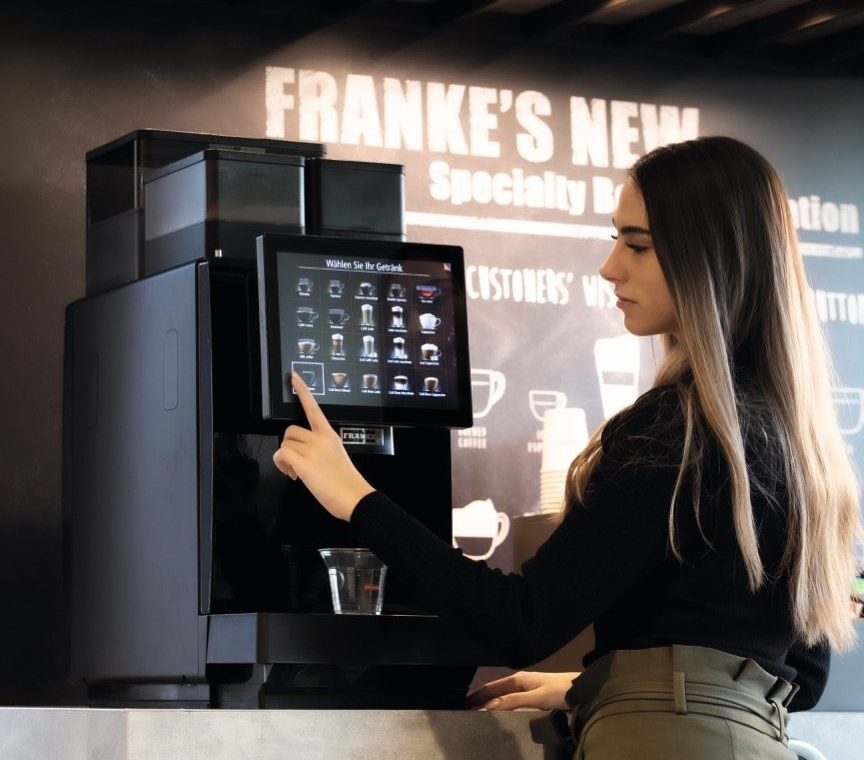
A coffee machine in the office needs to be quick and easy to use. Yet companies still often opt for machines with confusing menus, too many steps, or complicated settings.
That may seem like a small thing, but it makes a difference every day. Employees want to be able to grab a cup of coffee without any hassle. Visitors do too. If the system isn’t intuitive, it causes frustration and takes away the convenience.
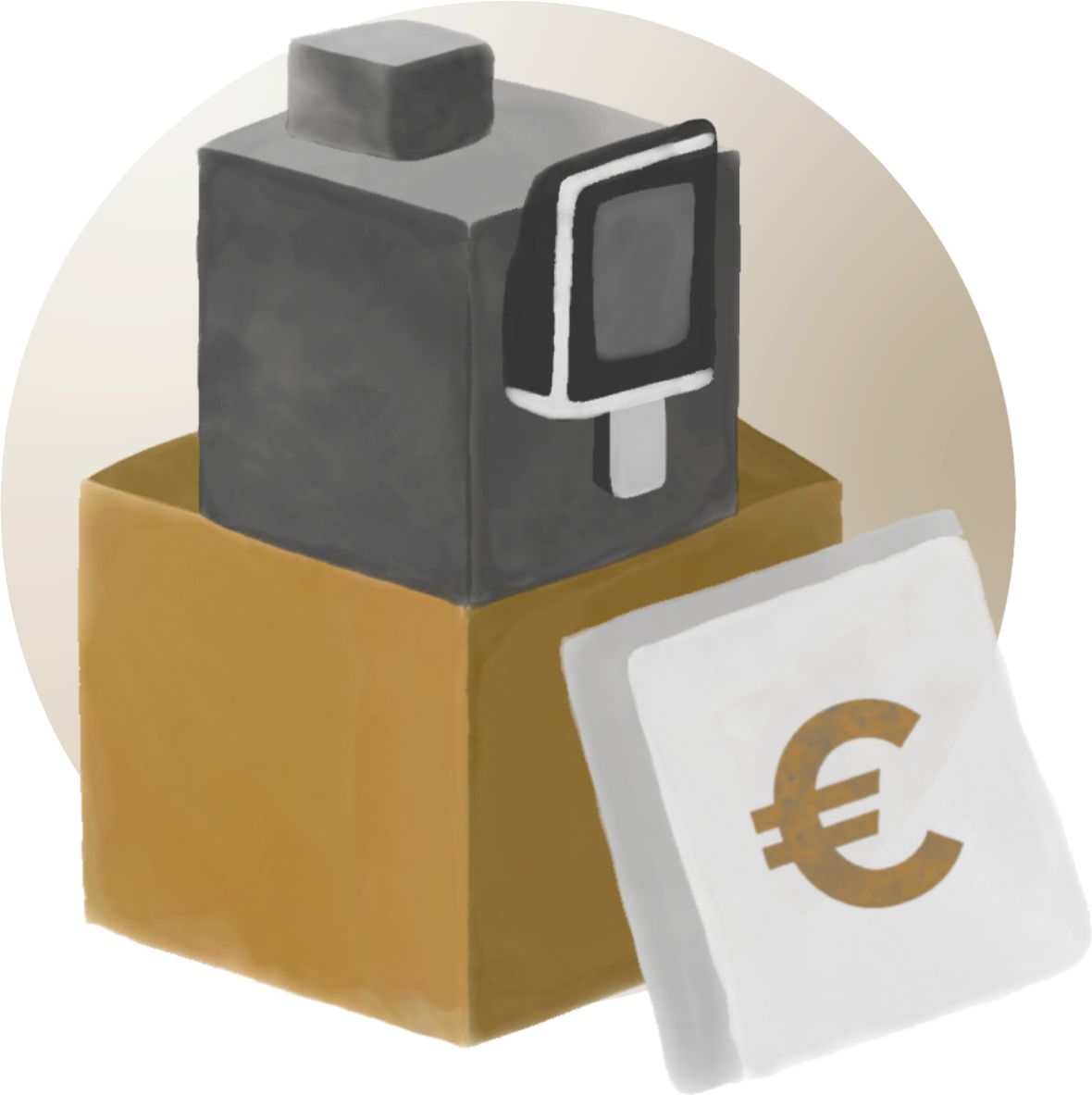
A good coffee machine for small and medium-sized businesses should therefore not only brew great coffee but also be easy to use. Think of a clear touchscreen, one-touch operation, and a straightforward maintenance system.

Practical features of a user-friendly machine
A commercial coffee machine is more user-friendly if it has the following features:
- clear buttons or touchscreen
- pre-set coffee specialties
- quick preparation
- Simple cleaning notifications
- few manual steps
Mistake 4: Waiting to Address Maintenance and Service
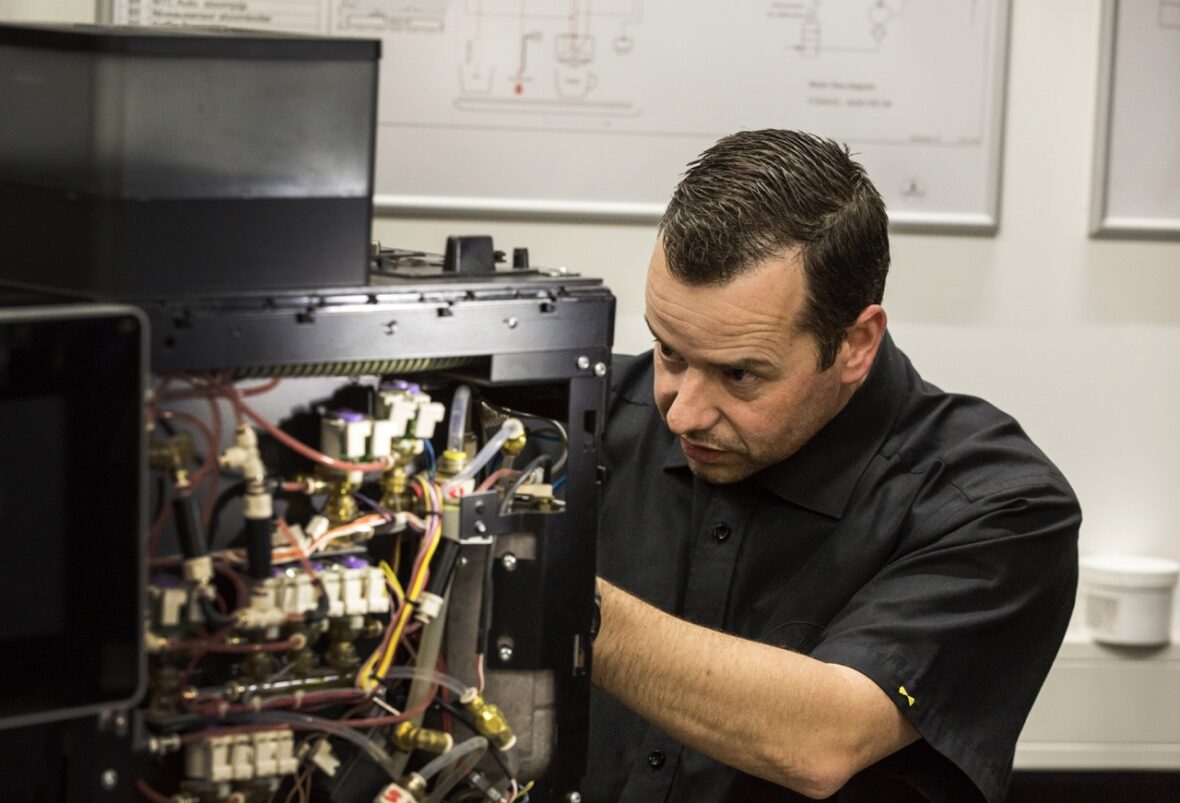
Many companies only think about maintenance once the first malfunction occurs. That’s a shame, because proper maintenance plays a major role in determining how reliable an office coffee machine remains.
A machine that is used intensively must be cleaned and maintained regularly. If this is not done in a timely manner, it will affect taste, hygiene, and performance. Minor issues can quickly escalate into more expensive repairs.
For small and medium-sized businesses, a coffee machine with automatic cleaning programs and a suitable service contract is often the most practical choice. This helps prevent downtime and ensures consistent quality.
This is important for maintenance
Please note:
- automatic cleaning
- maintenance requests
- descaling program
- service availability
- speed of fault resolution
Mistake 5: Not accounting for the company’s growth
Coffee machines are often chosen to meet today’s needs. But many small and medium-sized businesses continue to grow. As a result, a machine that seems sufficient now may become too small within a few years.
This leads to a new investment or to a situation where the machine reaches the limits of its capacity on a daily basis. That’s why it’s wise to consider your organization’s growth in advance.
A scalable coffee solution prevents you from having to make another choice down the line. Consider a more robust model, a flexible leasing arrangement, or a solution that can be easily upgraded.

Which coffee machine is best suited for an office with 10 to 50 employees?
That depends on more than just team size. Key factors include:
- how much coffee is consumed each day
- whether you serve a lot of cappuccinos and lattes
- how many visitors you receive
- how much ease of maintenance you want
- whether you want to buy, rent, or lease
For a smaller office, a compact, fully automatic coffee machine may be sufficient. For a larger team or an office with many visitors, a more robust commercial coffee machine with greater capacity and faster dispensing is often required.

Should you buy, rent, or lease a coffee machine?
That’s another question that many small and medium-sized businesses are grappling with. There’s no one-size-fits-all solution. The right choice depends on your budget, growth projections, and how much certainty you want.
Buy
Buying is often a good option if you want to be set for the long term and invest on your own.
Rent or lease
Renting or leasing is often a good option if you want flexibility, want maintenance included, or prefer fixed monthly payments.
For many small and medium-sized businesses, leasing is an attractive option because service and maintenance are often included in the package.
How to Choose the Right Coffee Machine for Your Small Business
Making the right choice doesn't start with the brand or model, but with your situation. So always consider:
- number of employees
- daily coffee consumption
- favorite drink options
- ease of maintenance
- desired service
- budget and contract type
- expected growth
By carefully considering these points in advance, you can avoid making a bad purchase and choose a coffee machine that’s a better long-term fit for the office.
Frequently Asked Questions About Coffee Machines for Small and Medium-Sized Businesses
How many cups of coffee should a coffee machine for small and medium-sized businesses be able to handle?
For an office with 10 to 50 employees, a capacity of approximately 50 to 150 cups per day is often a good starting point. The exact requirement depends on coffee consumption, peak times, and visitor traffic.
Which is better for a small business: buying or leasing a coffee machine?
That depends on your budget and preferences. Buying is often a good option for long-term use. Leasing is a good choice if you want flexibility and prefer to include service in a fixed monthly payment.
Which coffee machine is best for an office?
A commercial coffee machine for the office should be suitable for the number of users, easy to operate, and have sufficient capacity for daily use. Maintenance and service also play a major role in this regard.
What are the common pitfalls when choosing a coffee machine for the office?
The most common mistakes are choosing insufficient capacity, focusing solely on price, underestimating ease of use, neglecting maintenance, and failing to account for growth.